Vitamin D and K2 Supplement for a Better Immune System
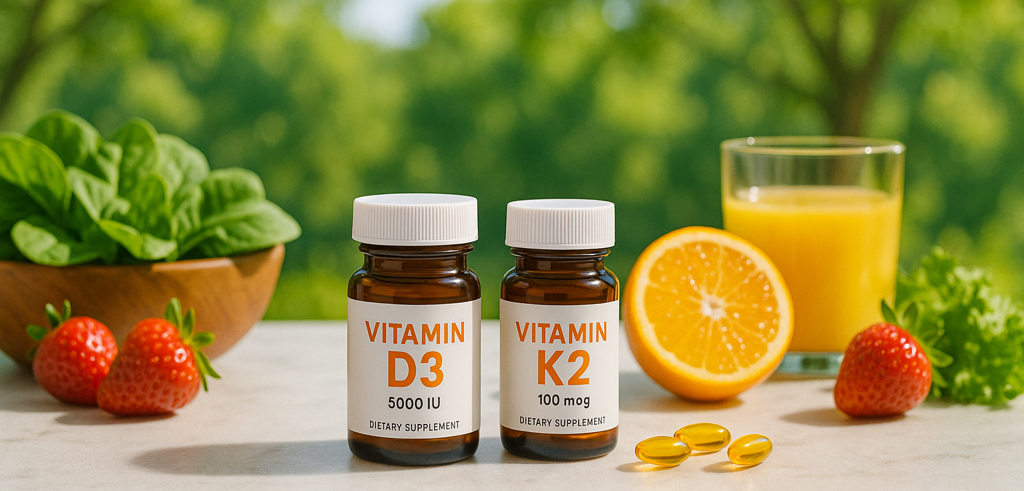
If you are looking for a powerful way to strengthen your immune system naturally, the combination of vitamin D and K2 deserves your serious attention. While vitamin D has earned widespread recognition for its immune-supporting properties, fewer people understand that pairing it with vitamin K2 creates a synergistic partnership that amplifies benefits far beyond what either nutrient achieves alone. This dynamic duo works together to optimize immune function, support bone health, protect cardiovascular wellness, and promote overall vitality in ways that single-nutrient supplementation simply cannot match. Learn why vitamin D deficiency persists even in summer and discover the best food sources of vitamin D.
Understanding Vitamin D: The Immune System Powerhouse
Vitamin D has rightfully earned its reputation as one of the most critical nutrients for immune system function. This fat-soluble vitamin, often called the sunshine vitamin because your skin produces it when exposed to sunlight, plays numerous essential roles in both your innate and adaptive immune responses.
Your innate immune system represents your body's first line of defense against pathogens. When bacteria, viruses, or other invaders attempt to enter your body, innate immune cells like macrophages and natural killer cells spring into action immediately. Vitamin D is absolutely crucial for activating these frontline defenders. Research has demonstrated that immune cells possess vitamin D receptors on their surfaces, and these cells cannot function optimally without adequate vitamin D levels.
Specifically, vitamin D enables your immune cells to produce antimicrobial peptides called cathelicidins and defensins. These powerful compounds act like natural antibiotics, directly destroying bacteria, viruses, and fungi before they can establish infections. When vitamin D levels are low, your body cannot produce sufficient quantities of these protective peptides, leaving you more vulnerable to illness.
Beyond the innate immune response, vitamin D also regulates your adaptive immune system, which includes T cells and B cells that provide targeted, long-lasting immunity against specific pathogens. Vitamin D helps balance immune responses, preventing both inadequate reactions that allow infections to take hold and excessive reactions that cause autoimmune problems or chronic inflammation.
Numerous studies have linked vitamin D deficiency to increased susceptibility to respiratory infections, including colds, flu, and even more serious conditions. People with adequate vitamin D levels tend to get sick less frequently, recover more quickly when illness does occur, and experience less severe symptoms overall. This protective effect becomes particularly important during cold and flu season or during times of increased infection risk.
Why Vitamin K2 Is Essential for Optimal Health
While vitamin K2 does not receive nearly as much attention as vitamin D, this often-overlooked nutrient performs critical functions that directly impact your health and wellbeing. Vitamin K2, also known as menaquinone, comes in several subtypes, with MK-4 and MK-7 being the most important forms for human health.
The primary role of vitamin K2 involves activating proteins that regulate where calcium goes in your body. This calcium-directing function is absolutely crucial because calcium needs to be deposited in your bones and teeth where it provides strength and structure, not in your arteries, heart valves, kidneys, or other soft tissues where it causes serious harm.
Vitamin K2 activates two key proteins that manage calcium metabolism. The first, osteocalcin, binds calcium and incorporates it into bone matrix, strengthening your skeleton. The second, matrix GLA protein (MGP), prevents calcium from depositing in arterial walls and soft tissues. Without adequate vitamin K2, these proteins remain inactive and cannot perform their protective functions, potentially leading to weak bones and calcified arteries simultaneously, a dangerous combination.
While vitamin K2 is not as directly involved in immune function as vitamin D, emerging research suggests it does play supporting roles in inflammatory regulation and may influence immune cell function through mechanisms scientists are still working to understand fully. Additionally, by ensuring proper calcium metabolism and preventing arterial calcification, vitamin K2 supports cardiovascular health, which is intimately connected to overall immune function and disease resistance.
The Powerful Synergy Between Vitamin D and K2
The magic happens when you combine vitamin D and K2 rather than taking either nutrient alone. These two vitamins work together synergistically, meaning their combined effect exceeds the sum of their individual contributions.
Here is how this partnership functions. Vitamin D increases your intestinal absorption of calcium from food, ensuring your body has adequate calcium available for various functions. This is beneficial for bone health, but it also means more calcium is circulating in your bloodstream. Without sufficient vitamin K2 to direct this calcium into bones and teeth and prevent it from depositing in soft tissues, increased calcium absorption from vitamin D could potentially contribute to arterial calcification over time.
Vitamin K2 solves this problem by activating the proteins that ensure calcium goes exactly where it should: into your skeletal system for strength and out of your cardiovascular system for protection. This complementary relationship means that taking vitamin D and K2 together provides the bone-building benefits of enhanced calcium absorption while simultaneously protecting against the potential downside of improper calcium deposition.
Research has shown that people who supplement with both vitamin D and K2 experience better bone density outcomes compared to those who take vitamin D alone. The combination also appears to offer superior cardiovascular protection. For immune health specifically, maintaining optimal levels of both nutrients ensures your immune system has all the tools it needs to function at peak efficiency while supporting the overall health foundation that robust immunity requires.
Get Latest Updates!
Join our newsletter for science-based nutrition advice, supplement guides, and exclusive deals on top-rated products!
No spam. Unsubscribe anytime.
Understanding Vitamin K3: A Different Form Entirely
When discussing vitamin K, it is important to understand that vitamin K3, also called menadione, is fundamentally different from the vitamin K1 (phylloquinone) found in leafy greens and the vitamin K2 (menaquinone) forms we have been discussing.
Vitamin K3 is a synthetic form of vitamin K that was used in some animal feeds and supplements decades ago. However, research revealed that vitamin K3 can be toxic at high doses, potentially causing oxidative stress, liver damage, and other harmful effects in humans. For this reason, vitamin K3 is no longer approved for human use in most countries, including the United States.
The naturally occurring forms of vitamin K, specifically K1 and K2, are considered safe even at relatively high doses and do not carry the toxicity risks associated with synthetic K3. When you see vitamin K supplements on store shelves or online, they contain either K1, K2 (usually MK-7 or MK-4), or combinations of these safe, natural forms, not the outdated and potentially harmful K3.
For optimal health benefits, particularly when pairing with vitamin D for immune support, you want vitamin K2, ideally in the MK-7 form, which has the longest half-life in the body and therefore provides the most sustained benefits from each dose. Avoid any products that list vitamin K3 or menadione on their ingredient labels.
Optimal Dosing for Vitamin D and K2 Supplementation
Determining the right doses of vitamin D and K2 depends on several individual factors including your current blood levels, sun exposure, diet, age, body weight, health conditions, and specific goals. However, general guidelines based on current research can help you make informed decisions.
For vitamin D3, most health experts recommend that adults consider supplementing with 1,000 to 4,000 IU (25 to 100 mcg) daily for maintenance of healthy levels. Those with documented deficiency or very limited sun exposure may benefit from higher doses, typically 5,000 to 10,000 IU daily for several months to replenish depleted stores, followed by maintenance dosing. The key is achieving blood levels of 25-hydroxy vitamin D in the optimal range of 40 to 60 ng/mL (100 to 150 nmol/L), which typically requires more vitamin D than the minimal recommended daily allowance.
For vitamin K2, effective doses generally range from 100 to 200 micrograms daily for adults. The MK-7 form is preferred because it remains active in your body longer than MK-4, allowing for once-daily dosing and more consistent blood levels. Studies investigating bone and cardiovascular benefits have used doses in this range with excellent safety profiles and positive outcomes.
Many high-quality supplements now combine vitamin D3 and K2 in a single capsule or softgel, providing convenient, properly proportioned doses of both nutrients. You can filter for these combination products directly in our supplement finder. These combination products are often formulated with a healthy oil base to enhance absorption of these fat-soluble vitamins, further optimizing their effectiveness.
Best Vitamin D and K2 Supplements on Amazon
Choosing high-quality supplements ensures you get the full benefits of vitamin D and K2 supplementation. Here are top-rated products available on Amazon that deliver excellent value, purity, and effectiveness.
Sports Research Vitamin K2 + D3 with Coconut Oil
This best-selling combination supplement provides 5,000 IU of vitamin D3 plus 100 mcg of vitamin K2 as MK-7 in each softgel. The coconut oil base enhances absorption of these fat-soluble vitamins, ensuring maximum bioavailability. Non-GMO, gluten-free, and third-party tested for purity and potency. The 5,000 IU dose of D3 is ideal for maintaining optimal levels or correcting deficiency.
Shop Sports Research Vitamin K2 + D3NOW Supplements Vitamin D3 & K2
A trusted brand offering exceptional value, this combination provides 1,000 IU of vitamin D3 and 45 mcg of vitamin K2 per capsule. The lower dose makes it perfect for daily maintenance or for those who get some sun exposure. NOW Foods has an excellent reputation for quality control and third-party testing. Vegetarian capsules suitable for various dietary preferences.
Shop NOW Supplements D3 & K2Zhou Nutrition K2 + D3 Vegetarian Capsules
This highly-rated supplement combines 5,000 IU of vitamin D3 with 90 mcg of vitamin K2 (MK-7) in a vegetarian formula for optimal absorption. The formula is designed to support bone strength, heart health, and immune function simultaneously. Non-GMO and manufactured in the USA with strict quality standards. Excellent customer reviews praise its effectiveness and value.
Shop Zhou Nutrition K2 + D3Garden of Life mykind Organics Vegan D3 Spray
For those preferring plant-based supplements, Garden of Life offers this certified organic, vegan-friendly option featuring vegan D3 from lichen. Each spray provides 1,000 IU of D3. USDA Organic, Non-GMO Project Verified, and includes plant omegas for enhanced absorption. Perfect for vegetarians and vegans seeking plant-based vitamin D3. Pair with a separate K2 supplement for complete benefits.
Shop Garden of Life Vegan D3Bronson Vitamin K2 (MK-7) + D3
Bronson, a trusted name since 1960, offers this pharmaceutical-grade combination with 5,000 IU of D3 and 90 mcg of K2 (MK-7). Non-GMO, gluten-free, and soy-free. Independently tested for purity and potency. Ideal for those wanting therapeutic levels of both nutrients.
Shop Bronson Vitamin K2 + D3NATURELO Vegan Vitamin D3 + K2
Another excellent vegan option featuring plant-based D3 from organic lichen with 125 mcg (5,000 IU) plus 120 mcg of K2 as MK-7. Free from GMOs, soy, gluten, and artificial additives. Made with clean, plant-based ingredients and includes organic whole food blend. Perfect for vegans who want high potency without compromising their values.
Shop NATURELO Vegan D3 + K2NatureWise Vitamin D3 5,000 IU (Standalone)
If you prefer to dose vitamin D and K2 separately for more flexibility, this highly-rated vitamin D3 supplement provides 5,000 IU per softgel. Extra virgin organic olive oil base ensures optimal absorption. Non-GMO, gluten-free, and third-party tested. This allows you to adjust your D3 dose independently based on blood test results while taking a separate K2 supplement.
Shop NatureWise Vitamin D3Life Extension Super K with Advanced K2 Complex
This premium vitamin K formula provides multiple forms of vitamin K2 (1,000 mcg MK-4 and 100 mcg MK-7) plus 1,500 mcg of vitamin K1 for comprehensive coverage. Ideal for pairing with your separate vitamin D3 supplement if you want maximum K2 benefits. Life Extension is known for science-based formulations and rigorous quality testing.
Shop Life Extension Super KDr. Berg's Vitamin D3 & K2
From Dr. Eric Berg DC, this formula combines 10,000 IU of vitamin D3 with 100 mcg of vitamin K2 (MK-7) for maximum potency. Includes magnesium, zinc, B6, MCT oil, and ox bile for enhanced absorption. The higher D3 dose is ideal for deficiency correction or those with very limited sun exposure. Non-GMO and manufactured in cGMP-certified facilities. Vegetarian-friendly capsules.
Shop Dr. Berg's D3 & K2How Vitamin D and K2 Work Together to Boost Immunity
The immune-supporting benefits of combining vitamin D and K2 supplementation extend beyond their individual contributions. When your body has adequate amounts of both nutrients, several synergistic mechanisms enhance immune function.
First, vitamin D activates immune cells and enables them to produce antimicrobial compounds that directly destroy pathogens. This frontline defense becomes more effective when overall health is optimized, which is where K2 contributes by ensuring proper calcium metabolism, reducing inflammation, and supporting cardiovascular function.
Second, vitamin D helps regulate inflammatory responses, preventing the excessive inflammation that can damage tissues and impair immune function. Chronic inflammation exhausts your immune system and makes you more susceptible to infections. K2 also appears to play roles in inflammatory regulation, though the mechanisms are still being researched.
Third, both nutrients support the health of barriers that protect you from pathogens, including the gut lining and respiratory tract mucosa. Vitamin D maintains the integrity of these barrier tissues, while K2 supports overall tissue health through its roles in cellular function.
Fourth, adequate vitamin D and K2 status supports bone marrow function, which is where many immune cells are produced. Healthy bone marrow requires both proper calcium metabolism (facilitated by D and K2) and direct vitamin D signaling.
Finally, by supporting cardiovascular health, preventing arterial calcification, maintaining healthy blood pressure, and promoting proper circulation, the D3 and K2 combination ensures that immune cells can travel efficiently throughout your body to wherever they are needed.
Additional Benefits Beyond Immune Support
While immune system enhancement is a compelling reason to supplement with vitamin D and K2, these nutrients provide numerous additional benefits that contribute to overall health and longevity.
Bone Health: The combination of vitamin D and K2 provides superior bone density support compared to either nutrient alone. Vitamin D enhances calcium absorption while K2 ensures calcium is properly incorporated into bone matrix, reducing osteoporosis and fracture risk.
Cardiovascular Protection: K2 prevents arterial calcification by activating matrix GLA protein, keeping arteries flexible and healthy. Combined with vitamin D's blood pressure and inflammation-regulating effects, this partnership powerfully protects heart health.
Mood and Mental Health: Vitamin D receptors exist throughout the brain, and adequate levels support neurotransmitter production and mood regulation. Many people experience improved mood and reduced seasonal affective disorder symptoms with vitamin D supplementation.
Muscle Function and Strength: Vitamin D is essential for muscle strength and coordination. Adequate levels reduce fall risk in older adults and support athletic performance in active individuals.
Blood Sugar Regulation: Both vitamin D and K2 play roles in insulin function and glucose metabolism, potentially helping prevent or manage type 2 diabetes.
Safety Considerations and Who Should Supplement
Vitamin D and K2 supplementation is generally very safe for most people, but certain considerations and precautions are worth noting.
Vitamin D3 is safe at doses up to 4,000 IU daily for most adults, and many people take 5,000 to 10,000 IU daily without issues. Toxicity is rare and typically requires prolonged intake of extremely high doses (above 40,000 IU daily). However, if you have certain medical conditions like sarcoidosis, hyperparathyroidism, or kidney disease, consult your doctor before supplementing as these conditions can affect vitamin D metabolism.
Vitamin K2 is extremely safe with no established upper limit. However, if you take blood-thinning medications like warfarin (Coumadin), you must consult your doctor before supplementing with any form of vitamin K, as it can interfere with these medications. Note that vitamin K2 is less likely to interfere with warfarin compared to vitamin K1, but medical supervision is still essential.
Supplementation is particularly beneficial for people with limited sun exposure due to indoor lifestyles, northern latitude residence, or extensive clothing coverage; older adults whose skin produces less vitamin D; individuals with darker skin tones requiring more sun exposure for adequate D production; people with digestive disorders impairing fat absorption; those taking medications that deplete vitamin D; anyone with documented vitamin D deficiency or insufficiency; and individuals seeking to optimize immune function for disease prevention.
Final Thoughts: The Vitamin D and K2 Partnership
If you are serious about supporting your immune system, protecting your long-term health, and optimizing your body's natural defenses, vitamin D and K2 supplementation deserves a prominent place in your wellness routine. These two nutrients work together synergistically to provide benefits that far exceed what either achieves alone.
The evidence supporting vitamin D for immune function is robust and compelling. The emerging understanding of vitamin K2's roles in overall health and its complementary relationship with vitamin D makes the combination even more powerful. By ensuring adequate intake of both nutrients, you give your immune system the tools it needs to function optimally while simultaneously supporting bone health, cardiovascular wellness, and numerous other aspects of vitality.
Start by getting your vitamin D levels tested to establish your baseline. Choose a high-quality vitamin D3 and K2 combination supplement from the recommendations provided, or dose the nutrients separately if you prefer more flexibility. Take your supplements consistently with a meal containing healthy fats for optimal absorption. Retest your vitamin D levels after two to three months to ensure your supplementation strategy is effectively optimizing your status.
The investment in vitamin D and K2 supplementation is modest, the safety profile is excellent, and the potential benefits for immune health and overall wellness are substantial. Give your body the nutritional support it needs to keep you healthy, energized, and resilient against whatever challenges you face.