Health Benefits of Zinc: What This Essential Mineral Does for Your Body
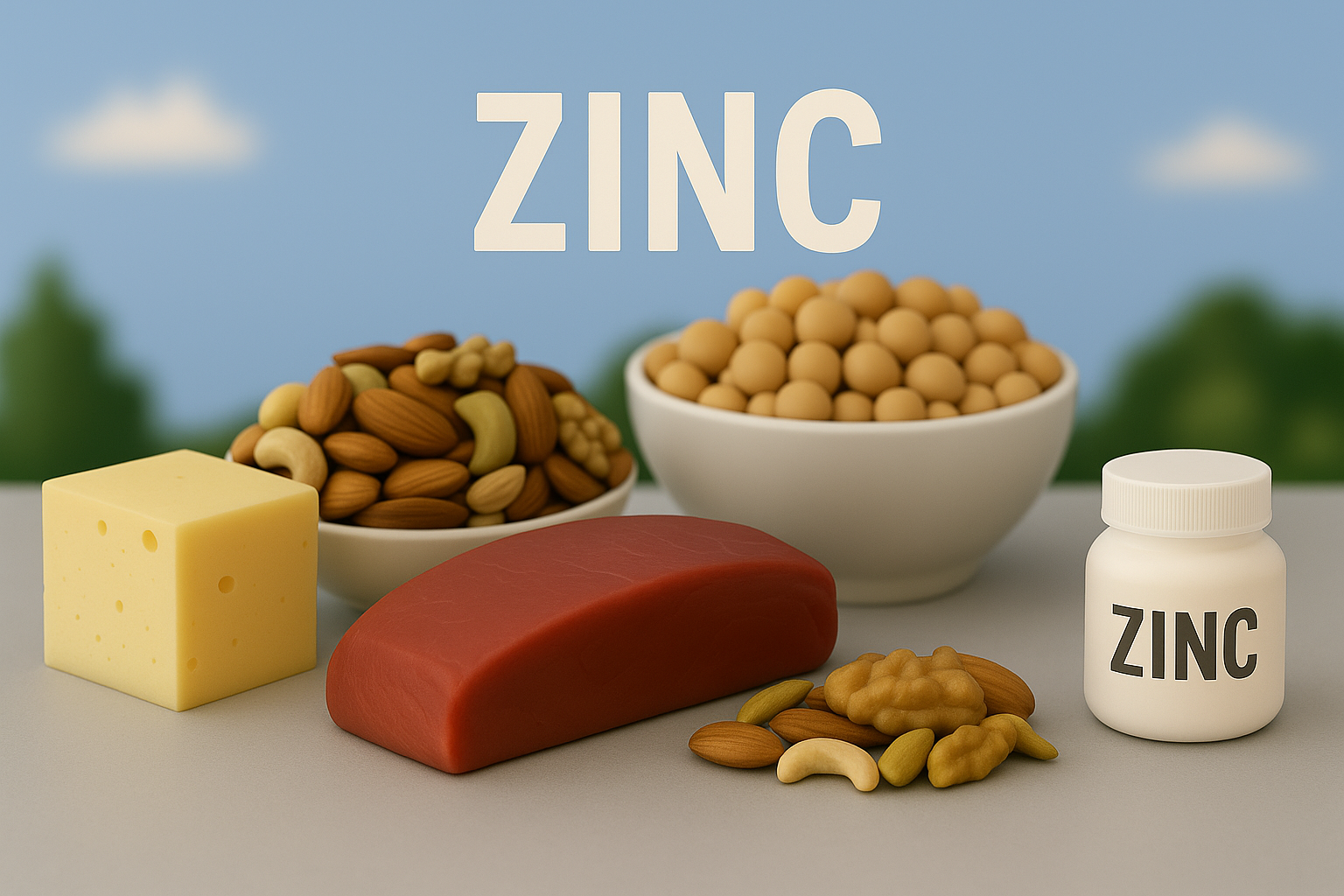
Zinc might not receive the same spotlight as vitamin C or iron, but this essential trace mineral quietly supports your health in some of the most important and fundamental ways imaginable. From powering your immune defense system to facilitating wound healing, supporting DNA production, and maintaining countless other vital processes, zinc works behind the scenes to keep your body functioning optimally. If you have ever reached for a zinc lozenge at the first sign of a cold, you already know one of its remarkable superpowers. But zinc accomplishes far more than just helping fight sniffles and seasonal illnesses. Learn about other essential minerals your body needs and how vitamin C works with iron.
Table of Contents
What Does Zinc Do in the Body?
Zinc qualifies as an essential mineral, which carries significant implications for your health. This designation means that your body cannot manufacture zinc internally, nor can it store substantial quantities for future use. Consequently, you must obtain a consistent, regular supply of zinc from your dietary sources or through supplementation to maintain optimal health and proper bodily function.
The scope of zinc's involvement in your body's operations is truly remarkable. This versatile mineral participates in over 300 different enzyme reactions, serving as a critical cofactor that enables these enzymes to perform their specialized functions. These enzymatic processes touch virtually every aspect of your physiology, making zinc indispensable for life itself.
Key functions zinc performs in your body:
- Immune system function: Activates immune cells and regulates inflammatory responses
- Wound healing and skin repair: Essential for collagen synthesis and tissue regeneration
- Cell growth and division: Required for DNA replication and cell multiplication
- Sense of taste and smell: Maintains taste bud function and olfactory receptors
- DNA and protein synthesis: Necessary for creating genetic material and building proteins
- Inflammation regulation: Modulates inflammatory pathways throughout the body
- Reproductive health: Particularly crucial for male fertility and hormone production
- Antioxidant activity: Protects cells from oxidative damage and free radicals
- Enzyme activation: Enables hundreds of metabolic processes
Even a mild zinc deficiency, one that might not initially seem severe, can create noticeable impacts on your health and daily functioning. You may find yourself feeling persistently run down or experiencing unexplained fatigue. Your wounds might heal more slowly than usual, or you could struggle with poor focus and concentration. Perhaps most significantly, zinc deficiency often manifests as increased susceptibility to infections, as your immune system cannot mount its defenses as effectively without adequate zinc availability.
How Much Zinc Do You Need Daily?
Your daily zinc requirements vary based on several factors, including your age, biological sex, and specific life circumstances such as pregnancy or breastfeeding. Understanding these requirements helps ensure you maintain optimal zinc status throughout different life stages.
| Group | Recommended Daily Intake |
|---|---|
| Adult Men (19+ years) | 11 mg per day |
| Adult Women (19+ years) | 8 mg per day |
| Pregnant Women | 11 mg per day |
| Breastfeeding Women | 12 mg per day |
| Children (4-8 years) | 5 mg per day |
| Adolescents (9-13 years) | 8 mg per day |
Source: National Institutes of Health
While meeting your zinc needs is important, it is equally crucial to understand that excessive zinc intake carries its own risks and potential complications. Taking high doses of zinc (above 40 mg per day for adults) consistently over extended periods can interfere with your body's absorption of copper, another essential trace mineral. This interference can lead to copper deficiency, which brings its own set of health problems including anemia and neurological issues. Additionally, very high zinc intake can cause unpleasant symptoms including nausea, vomiting, loss of appetite, stomach cramps, diarrhea, and headaches.
The key is finding the right balance. Stick to recommended amounts unless a qualified healthcare provider has assessed your individual needs and specifically advised higher doses to address a documented deficiency or specific health condition. Self-prescribing high-dose zinc supplementation without medical guidance is not advisable and can potentially do more harm than good.
Get Latest Updates!
Join our newsletter for expert health tips, supplement guides, and top-rated Amazon deals!
Top Health Benefits of Zinc: Science-Backed Evidence
Now that we understand what zinc does and how much you need, let us explore the specific, scientifically validated health benefits that make this mineral so essential for your wellbeing.
1. Strengthens Your Immune System and Reduces Infection Risk
Zinc plays an absolutely critical role in developing and functioning of immune cells, including neutrophils, natural killer cells, and T-lymphocytes. These specialized cells form the foundation of your body's defense system against pathogens. When zinc levels are adequate, your immune cells can function properly, communicate effectively with each other, and mount appropriate responses to threats.
If you are deficient in zinc, your immune response may become sluggish and less effective, leaving you more vulnerable to infections. Research has consistently demonstrated that zinc supplementation can help reduce the duration and severity of common colds, particularly when taken within 24 hours of symptom onset. Studies show that zinc can reduce cold duration by approximately one to two days on average.
Beyond colds, adequate zinc status helps protect against more serious infections and supports faster recovery when illness does occur. This immune-supporting property makes zinc particularly valuable during cold and flu season, for those with compromised immune systems, and for anyone looking to maintain robust immune function.
👉 Top Pick: Nature's Bounty Zinc 50 mg - Immune Support Tablets2. Supports Skin Healing and Reduces Acne
Zinc has earned widespread recognition in dermatology for its remarkable effects on skin health, wound healing, and managing inflammatory skin conditions. You will find zinc as a key ingredient in numerous topical creams and ointments designed for treating cuts, burns, diaper rash, and various skin irritations, and this inclusion is no accident.
At the cellular level, zinc helps your skin repair itself by supporting collagen synthesis, promoting new tissue formation, and controlling inflammation at wound sites. This accelerates the healing process and can reduce scarring. For individuals dealing with acne, zinc offers multiple benefits. It helps regulate oil production in your skin, reduces inflammation associated with acne lesions, and possesses antibacterial properties that can help control acne-causing bacteria.
Research has shown that people with acne often have lower zinc levels compared to those with clear skin, and supplementation with zinc can lead to significant improvements in acne severity. Some studies have found that oral zinc supplementation can be as effective as certain antibiotic treatments for acne, but with fewer side effects.
👉 Highly Rated: CeraVe Zinc Oxide Sunscreen with Skin-Calming Ingredients3. Boosts Cognitive Function and Mental Performance
Your brain contains particularly high concentrations of zinc, especially in regions involved in memory formation, learning, and emotional regulation. This is not coincidental; zinc plays essential roles in neurotransmitter function, neuronal signaling, and maintaining the structural integrity of brain cells.
Zinc influences the activity of neurotransmitters, the chemical messengers that allow brain cells to communicate with each other. It is particularly important for the function of glutamate and GABA, two neurotransmitters crucial for learning, memory, and mood regulation. Research has linked low zinc levels to impaired memory, reduced ability to concentrate and focus, cognitive decline, and even mood disturbances including depression and anxiety.
Some studies suggest that maintaining adequate zinc status throughout life may help protect against age-related cognitive decline and potentially reduce the risk of neurodegenerative conditions. For students, professionals, and anyone wanting to maintain sharp mental function, ensuring adequate zinc intake is an important nutritional strategy.
4. Promotes Healthy Eyesight and May Prevent Vision Loss
Zinc plays a crucial but often overlooked role in maintaining healthy vision throughout your life. Your eyes, particularly the retina, contain high concentrations of zinc, and this mineral performs several vital functions for ocular health.
One of zinc's primary roles in vision involves helping transport vitamin A from your liver to your retina, where vitamin A is converted into melanin, a protective pigment. This process is absolutely necessary for proper night vision and overall visual function. Without adequate zinc, vitamin A cannot reach the retina effectively, potentially leading to night blindness and other vision problems.
Additionally, research suggests that zinc may help delay the progression of age-related macular degeneration (AMD), a leading cause of vision loss in older adults. Large-scale studies have found that people with early AMD who took zinc supplements (along with other antioxidants) experienced slower progression to advanced stages of the disease compared to those who did not supplement. This protective effect makes zinc particularly important for older adults concerned about maintaining their vision.
5. Enhances Fertility and Testosterone Levels in Men
For men, zinc holds particular importance for reproductive health and sexual function. This mineral plays indispensable roles in sperm development, sperm motility (movement), testosterone production, and overall male fertility. The concentration of zinc in male reproductive tissues is remarkably high, reflecting its critical importance in these systems.
Zinc deficiency can lead to numerous reproductive problems in men, including significantly reduced testosterone levels, decreased sperm count and quality, impaired sperm motility, increased oxidative stress in reproductive tissues, and consequent fertility difficulties. Research has consistently shown that men with infertility often have lower zinc levels than fertile men, and zinc supplementation can improve sperm parameters in zinc-deficient individuals.
For men experiencing low testosterone, unexplained fertility issues, or reduced libido, having zinc status evaluated and potentially supplementing under medical guidance can be an important intervention. However, it is important to note that more zinc is not always better; excessive zinc can actually impair fertility, so appropriate dosing is crucial.
👉 Zinc for Men: Garden of Life Vitamin Code Zinc - Whole Food Zinc + Vitamin CWho's Most at Risk of Zinc Deficiency?
Even in developed countries with abundant food supplies, zinc deficiency proves more common than most people realize. Certain populations and individuals face significantly elevated risk of developing inadequate zinc status. Understanding these risk factors can help you determine whether you might benefit from paying extra attention to your zinc intake.
You face higher risk of zinc deficiency if you:
- Follow a vegetarian or vegan diet: Plant-based zinc sources contain phytates that bind to zinc and significantly reduce absorption. Vegetarians may need up to 50 percent more zinc than omnivores
- Have digestive conditions: Crohn's disease, ulcerative colitis, IBS, celiac disease, or chronic diarrhea dramatically impair zinc absorption
- Consume alcohol heavily: Excessive alcohol intake reduces zinc absorption and increases urinary zinc excretion
- Are pregnant or breastfeeding: Requirements increase substantially during these periods to support fetal development and milk production
- Experience chronic stress or infections: These conditions deplete zinc stores more rapidly
- Take certain medications: Diuretics, proton pump inhibitors (PPIs), ACE inhibitors, and antibiotics can interfere with zinc absorption or increase excretion
- Are older: Aging reduces absorption efficiency and increases requirements
- Have diabetes: Increased urinary zinc loss is common in diabetes
- Undergo regular dialysis: This treatment removes zinc from the bloodstream
Recognizing Zinc Deficiency Symptoms
Zinc deficiency can manifest through various symptoms that often develop gradually and may be mistaken for other health issues. Being aware of these warning signs can prompt appropriate testing and intervention:
- Frequent colds, flu, or other infections: Your compromised immune system cannot fight off pathogens effectively
- Slow wound healing: Cuts, scrapes, or surgical incisions take longer than normal to heal
- Loss of taste or smell: Altered or diminished sensory perception (hypogeusia or anosmia)
- Hair loss or thinning: Unexplained shedding or hair that becomes brittle and breaks easily
- Chronic diarrhea: Persistent digestive upset without clear cause
- Skin problems: Rashes, dryness, or inflammatory skin conditions
- White spots on fingernails: Though not always indicative, this can suggest deficiency
- Irritability or mood changes: Increased anxiety, depression, or difficulty concentrating
- Growth delays in children: Stunted growth or delayed sexual maturation
- Eye problems: Night blindness or difficulty seeing in low light
If you experience several of these symptoms, particularly if you fall into one of the high-risk categories mentioned above, consult with your healthcare provider about testing your zinc status. A simple blood test can measure serum zinc levels, though interpreting results requires medical expertise as blood zinc does not always accurately reflect tissue stores.
Best Food Sources of Zinc for Optimal Intake
You can obtain zinc from both animal-based and plant-based foods, though the bioavailability (how well your body can absorb and use the zinc) differs significantly between these sources. Animal foods provide zinc in forms that your digestive system absorbs more efficiently, while plant-based zinc sources contain compounds called phytates that can bind to zinc and reduce absorption.
Animal-Based Zinc Sources (High Bioavailability)
- Oysters: The richest zinc source (74 mg per 3 oz)
- Beef chuck roast: 7 mg per 3 oz
- Alaska king crab: 6.5 mg per 3 oz
- Beef patty: 5.3 mg per 3 oz
- Lobster: 3.4 mg per 3 oz
- Pork chop: 2.9 mg per 3 oz
- Chicken (dark meat): 2.4 mg per 3 oz
- Yogurt (plain): 1.3 mg per 8 oz
- Cheese (cheddar): 0.9 mg per 1 oz
- Eggs: 0.6 mg per large egg
Plant-Based Zinc Sources (Lower Bioavailability)
- Pumpkin seeds: 2.2 mg per oz
- Hemp seeds: 3 mg per 3 tbsp
- Cashews: 1.6 mg per oz
- Chickpeas (cooked): 2.5 mg per cup
- Lentils (cooked): 2.5 mg per cup
- Almonds: 0.9 mg per oz
- Tofu (firm): 2 mg per half cup
- Quinoa (cooked): 2 mg per cup
- Oats: 2.3 mg per cup
- Fortified cereals: Varies, often 25-100% DV
Improving Plant-Based Zinc Absorption
If you rely primarily on plant sources for your zinc intake, whether by choice or necessity, several evidence-based strategies can significantly improve how much zinc your body actually absorbs from these foods:
- Soak legumes and grains: Submerging beans, lentils, nuts, seeds, and whole grains in water for 12 to 24 hours before cooking can reduce phytate content by 50 to 70 percent, dramatically improving zinc bioavailability
- Sprout seeds and legumes: The sprouting process activates enzymes that break down phytates, making zinc more accessible. Sprouted lentils, chickpeas, and mung beans are excellent options
- Ferment foods: Fermentation naturally reduces phytates. Choose fermented soy products like tempeh, miso, and natto over non-fermented options
- Use sourdough bread: The long fermentation process in traditional sourdough significantly reduces phytate content compared to regular bread
- Combine with animal proteins: If you are not strictly vegan, including small amounts of animal protein with plant-based meals can enhance zinc absorption
- Consider higher intake: Vegetarians and vegans may need to consume 50 percent more zinc than the standard RDA to compensate for lower absorption rates
The Latest Tips and News!
Join Us to Get Latest News About Vitamins and Minerals!
Choosing the Right Zinc Supplement for Your Needs
When dietary intake proves insufficient or you have documented deficiency, supplementation becomes necessary. However, not all zinc supplements are created equal. Different forms of zinc vary significantly in their absorption rates, tolerability, and appropriate applications. Understanding these differences helps you select the most effective supplement for your specific needs.
| Type of Zinc | Absorption Rate | Best For |
|---|---|---|
| Zinc Gluconate | Moderate to Good | Most common in cold lozenges, good general option for supplementation, widely available and affordable |
| Zinc Picolinate | Excellent | Considered one of the most easily absorbed forms, ideal for daily supplementation and addressing deficiency |
| Zinc Citrate | Good | Pleasant taste, well absorbed, good for those sensitive to other forms |
| Zinc Bisglycinate | Excellent | Chelated form, exceptionally gentle on the stomach, ideal for those with digestive sensitivity |
| Zinc Acetate | Good | Often used in cold lozenges, releases zinc ions effectively |
| Zinc Oxide | Poor | Primarily used in topical skin creams and sunscreens, not recommended for oral supplementation due to low bioavailability |
| Zinc Sulfate | Moderate | Less expensive but more likely to cause stomach upset, take with food |
Top Zinc Supplement Recommendations
NOW Zinc Picolinate 50 mg - High Absorption Formula: This highly-rated supplement uses zinc picolinate, one of the most bioavailable forms of zinc. NOW Foods has an excellent reputation for quality control, third-party testing, and purity. The 50 mg dose is appropriate for addressing deficiency or providing immune support during cold season. This supplement is vegetarian-friendly and free from common allergens.
👉 Trusted Brand: NOW Zinc Picolinate 50 mg - High AbsorptionImportant Supplementation Guidelines
To maximize benefits and minimize potential side effects when taking zinc supplements, follow these evidence-based recommendations:
- Take with food: Zinc supplements can cause nausea when taken on an empty stomach. Taking them with a meal significantly reduces this risk
- Avoid taking with calcium or iron: These minerals compete for absorption. Separate zinc supplements from calcium or iron by at least two hours
- Don't exceed recommended doses: More is not better with zinc. Stick to 15-30 mg daily for maintenance, or follow your healthcare provider's recommendations for therapeutic doses
- Consider copper balance: If taking zinc supplements long-term (more than a few months), consider also taking 1-2 mg of copper daily to prevent copper depletion. Our supplement finder includes zinc-copper combination formulas worth comparing
- Time it right: Some people tolerate zinc better in the evening, while others prefer morning dosing. Experiment to find what works best for you
- Be patient: It takes several weeks to months of consistent supplementation to fully replenish depleted zinc stores
- Retest periodically: If supplementing for deficiency, have your levels retested after 3-6 months to assess whether you have achieved optimal status
Multivitamin Considerations
Most high-quality multivitamins contain between 5 and 15 mg of zinc, which is sufficient for many people as a preventive measure or to fill small dietary gaps. If you already take a comprehensive multivitamin, check the zinc content before adding a standalone zinc supplement to avoid excessive intake. For addressing documented deficiency or providing therapeutic doses for specific health conditions, standalone zinc supplements offering 25-50 mg are more appropriate.
Final Thoughts on Zinc and Your Health
Zinc may be small in terms of the amounts your body needs, but it is absolutely huge when it comes to the scope and importance of its effects on your health and wellbeing. From supporting your immune system's ability to fight off infections and facilitating the healing of wounds, to boosting cognitive function and mental clarity, protecting your vision, maintaining healthy skin, and supporting reproductive health, this essential mineral quietly works behind the scenes to keep your body running smoothly and efficiently.
The remarkable thing about zinc is that its benefits touch virtually every system in your body. Whether you are concerned about preventing colds during flu season, supporting your skin health, maintaining sharp mental function as you age, optimizing fertility, or simply ensuring your body has what it needs to function at its best, adequate zinc intake plays a crucial role in achieving these goals.
If you are uncertain whether you are getting enough zinc from your dietary sources, especially if you follow a plant-based eating pattern, have digestive issues that impair nutrient absorption, take medications that interfere with zinc status, or belong to any of the high-risk groups discussed in this guide, there is a strong case for either increasing your consumption of zinc-rich foods or adding a high-quality supplement to your daily routine.
Many people report noticeable improvements in their energy levels, immune function, skin health, and overall sense of wellbeing when they address previously unrecognized zinc deficiency. These improvements can be truly transformative, affecting everything from how often you get sick to how quickly you bounce back from illness, from the clarity of your thinking to the health of your skin, hair, and nails.
Key Takeaways About Zinc:
- Zinc is essential for over 300 enzyme reactions in your body
- Adult men need 11 mg daily, adult women need 8 mg daily
- Zinc powerfully supports immune function, skin health, cognitive performance, vision, and fertility
- Vegetarians, those with digestive disorders, pregnant women, and heavy drinkers face higher deficiency risk
- Animal foods provide more bioavailable zinc than plant sources
- Soaking, sprouting, and fermenting plant foods improves zinc absorption
- Zinc picolinate and bisglycinate are the most absorbable supplement forms
- Take zinc supplements with food and separate from calcium or iron
- Don't exceed 40 mg daily without medical supervision
However, it is equally important to be smart and strategic about zinc supplementation. More is definitely not better when it comes to this mineral. Stick to appropriate dosages based on your individual needs, whether that means getting adequate amounts from food sources, taking a moderate daily supplement for maintenance, or using higher therapeutic doses under medical guidance to address documented deficiency.
Consider pairing zinc-rich foods with vitamin C sources to enhance absorption, as vitamin C can significantly improve how much zinc your body takes up from plant-based sources. If you choose to supplement, select high-quality products from reputable manufacturers that use bioavailable forms like zinc picolinate or bisglycinate. Take your zinc with food to minimize digestive upset, and be mindful of timing to avoid interactions with other minerals.
Most importantly, listen to your body and pay attention to the signals it sends you. Frequent infections, slow wound healing, skin problems, difficulty concentrating, hair loss, or any of the other symptoms discussed in this guide may indicate that your zinc status needs attention. Do not ignore these warning signs or assume they are just normal parts of aging or stress. A simple conversation with your healthcare provider and potentially a blood test can clarify whether zinc deficiency is contributing to your symptoms.
By ensuring you maintain optimal zinc status through strategic dietary choices, appropriate supplementation when needed, and attention to absorption-enhancing strategies, you provide your body with a fundamental nutrient that supports countless processes essential for health, vitality, and quality of life. Make zinc a priority in your nutritional strategy, and your body will reward you with stronger immunity, better healing, clearer thinking, healthier skin, and the vitality you need to thrive in all areas of your life.